


The news about fur is so muddled these days, it’s no wonder some people are confused. Take the surging popularity…
Read More
The news about fur is so muddled these days, it’s no wonder some people are confused.
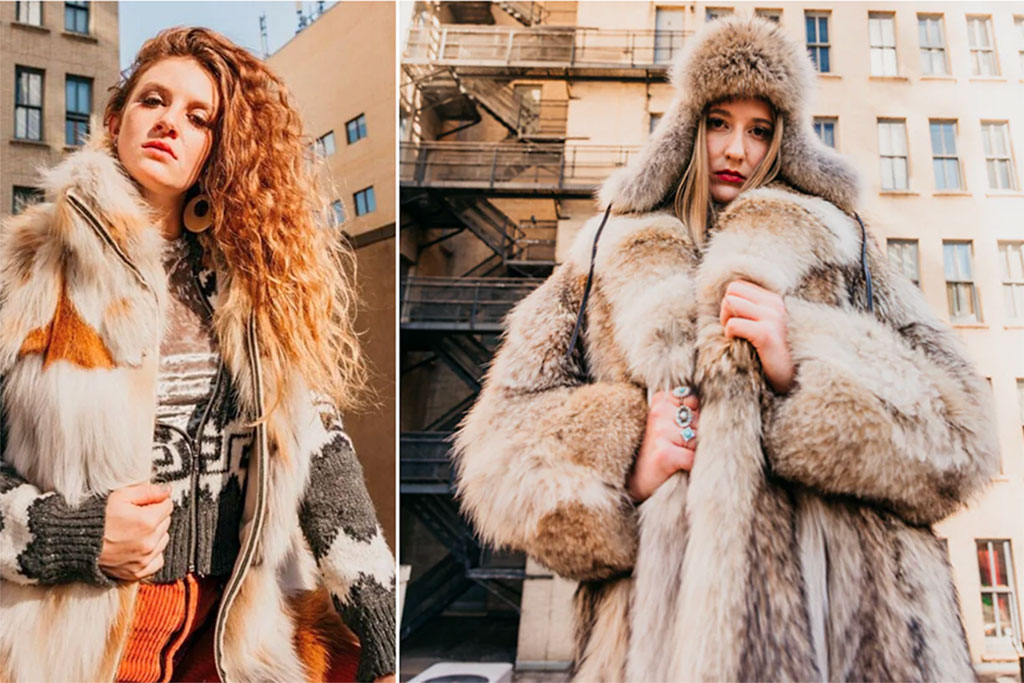
Take the surging popularity of used furs. As we reported recently, GenZ is embracing “vintage” as a guilt-free way to enjoy the comfort and beauty of fur. After all, the animals died long ago, and reusing old clothing is better for the planet than contributing to mountains of discarded – usually petroleum-based – fast fashion. Fine, but why stop there? After all, today’s new furs will be tomorrow’s vintage.
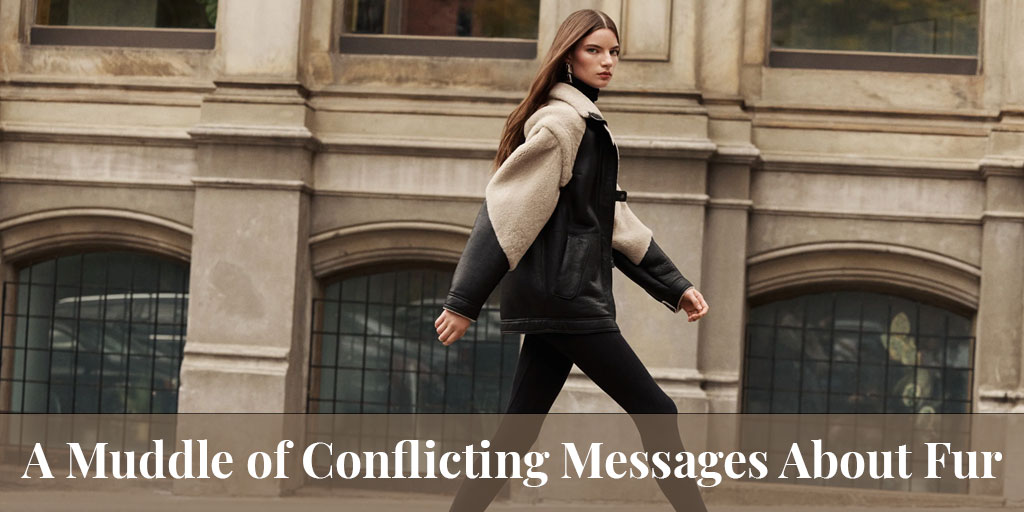
Similarly, shearling is trending on fashion runways, with politically-correct designers claiming it is not fur at all. But isn’t it? Shearling is an animal hide (sheepskin) processed with the hair attached, the same as any other fur. Some find it reassuring that sheep are raised for food, that my shearling jacket is just the packaging from someone’s rack of lamb – a distinction that probably wouldn’t impress sheep. In any case, Indigenous and other trappers eat beaver, muskrat, seal, and other fur animals. What’s the difference?
Meanwhile, anti-fur campaigning continues: governments are lobbied to ban fur production; many apparel companies have stopped selling it; and Vogue – following the retirement of their dauntlessly independent editor, Anna Wintour – recently announced that fur will no longer appear in the magazine, even in advertising.
So, is fur back in fashion, or isn’t it? Why is sheepskin now cool, but mink and beaver not so much? And how does fur become more ethical with age, or is it just the lower price point that draws young people to “vintage”?
Quite the muddle.
Why All the Fuss About Fur?
Of course, there’s nothing new in muddled thinking about fur. Animal activists have spent decades tarring fur trapping as cruel – even as millions were invested by governments and industry to assure the humaneness of trapping.1
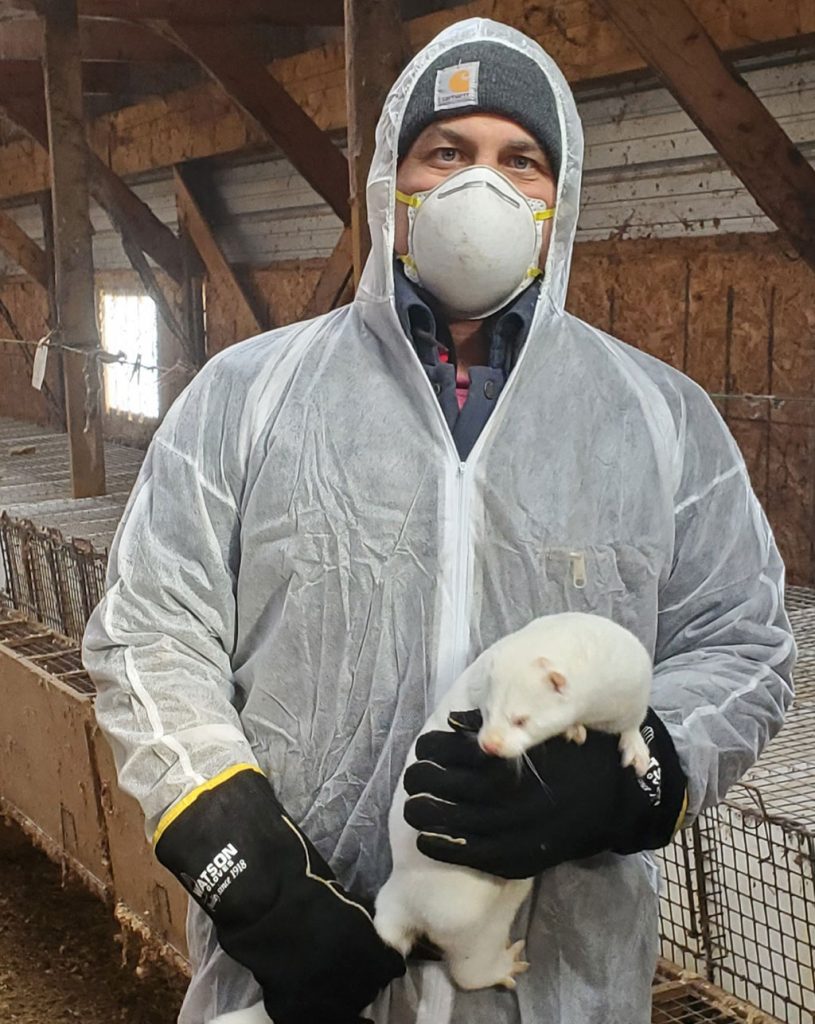
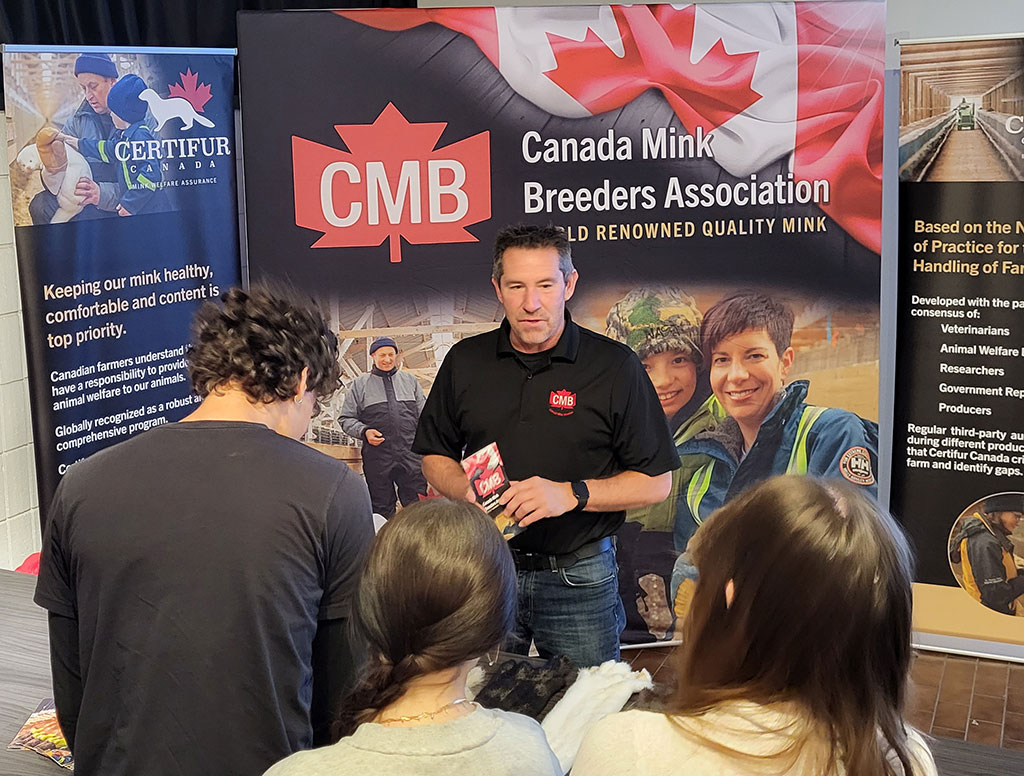
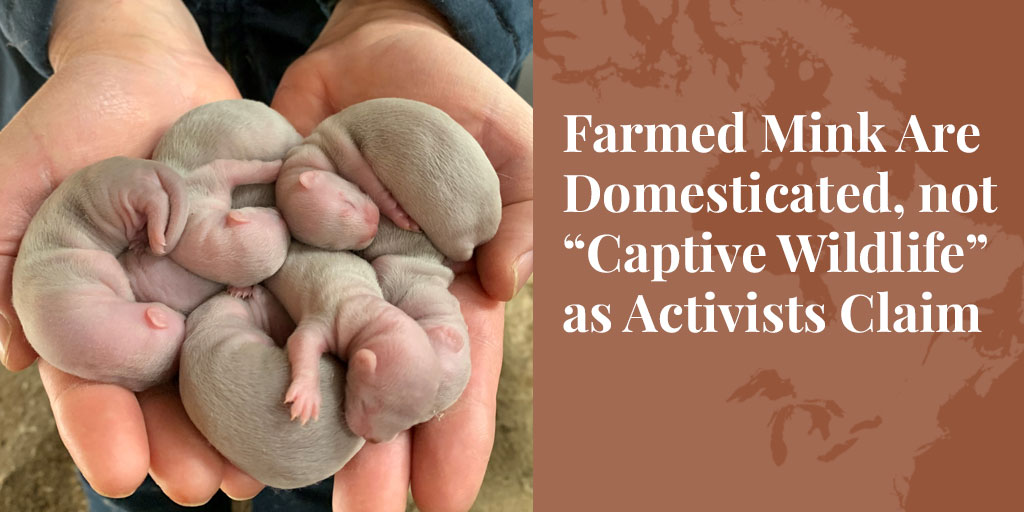
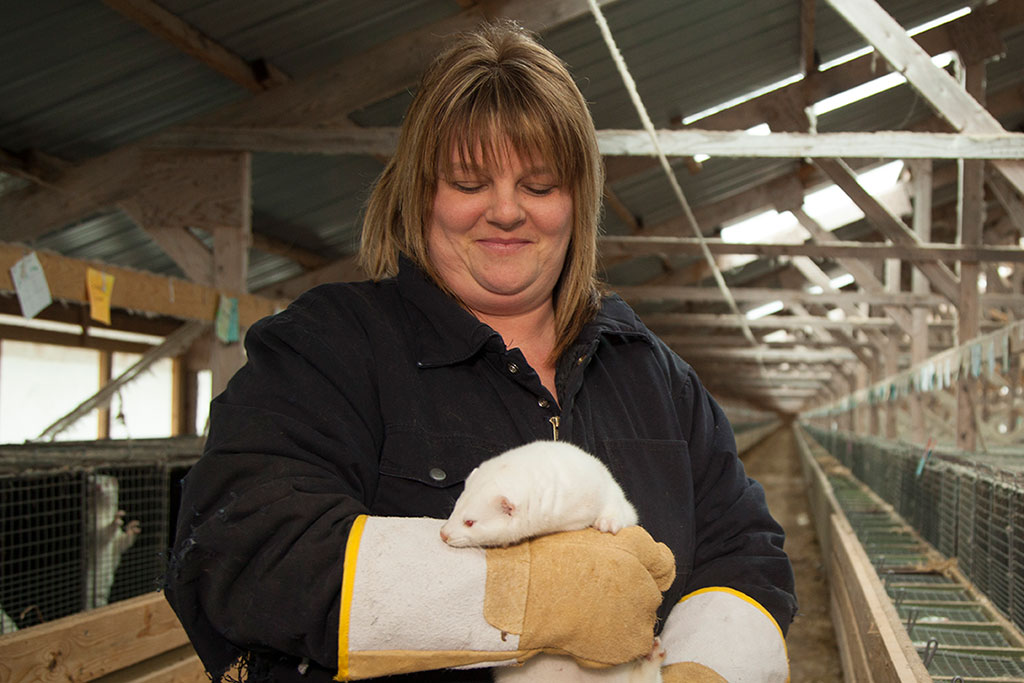
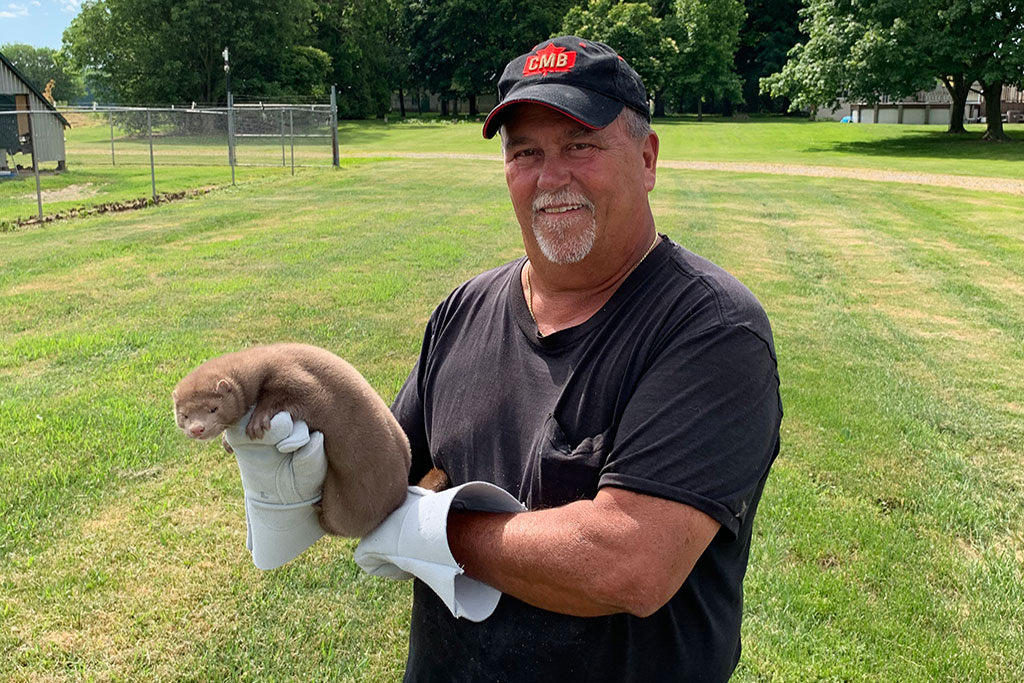
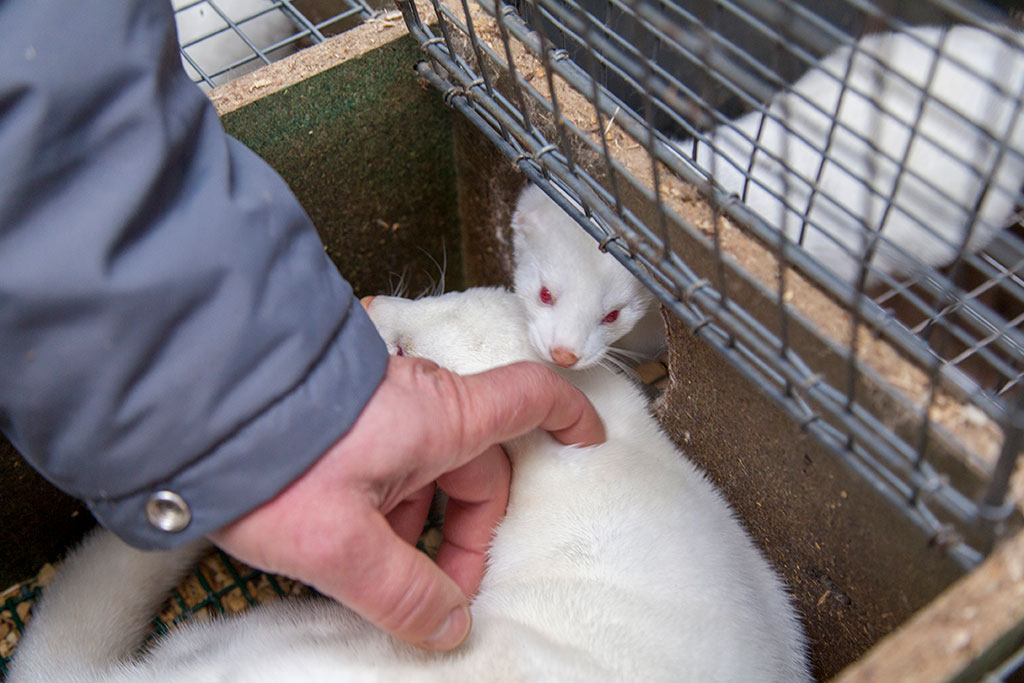
Activists also denounce mink farming, claiming that it’s cruel to keep “wild animals” in pens. But mink have been raised on farms in North America since the 1870s. After more than 150 generations of selective breeding they are very different than their wild cousins – they are twice the size, much tamer, and well adapted to life on the farm.2
The fur trade is not a rogue industry, it has adopted responsible practices just like other agricultural sectors. From an animal-welfare perspective, it sometimes scores better: wild furbearers roam freely in nature until the moment they’re captured; farmed mink – precisely because they are not used for food – are spared the long truck ride to distant abattoirs. And yet, in a society where literally billions of animals are eaten each year, the fur trade has been treated as a pariah. Go figure.
Sustainability

Another example of muddled thinking is the belief that we should stop using fur if we wish to protect nature. When Gucci CEO Marco Bizzarri announced that his prestigious designer label would go “fur-free”, in 2018, he claimed this demonstrated “our absolute commitment to making sustainability an intrinsic part of our business.” Other companies followed suit, revealing how little they understood (or cared?) about what sustainability really means.
Many wild species are indeed threatened by climate change, pollution, urban sprawl, and other challenges. Some fear we are witnessing a “Sixth Mass Extinction”. But the modern fur trade does not deplete wildlife populations; the fur we use today comes from abundant populations. Government regulations ensure that only part of the surplus that nature produces is taken each year – which is true sustainability. This is why Greenpeace, the Worldwide Fund for Nature (WWF), the International Union for Conservation of Nature (IUCN) and other serious environmental conservation groups do not oppose the fur trade. The North American fur trade is a conservation success story that deserves to be better known.
And so, anti-fur campaigners – and companies that yield to their pressure – are not promoting sustainability at all. Quite the contrary: because “animal rights” groups oppose using any animal products – no fur, no leather, no wool, not even silk -- they provide cover for petroleum-based synthetics that are not renewable or biodegradable, that leach micro-plastics into the environment each time they are worn or washed – but are now often marketed as virtuously “vegan”.
The Medium Is the Message

Confusion about fur is not accidental. Animal-rights advocates are not interested in acknowledging the animal-welfare and conservation achievements of the fur trade because they oppose any use of animals. As PeTA’s website clearly asserts: “Animals are not ours to experiment on, eat, wear, use for entertainment, or abuse in any other way.” But because few people are prepared to follow PeTA to such lofty heights of moral purity – only 4% of North Americans are vegetarian; barely 1% say they are vegan – attacks on fur (and other animal-based industries) are disguised as animal-welfare campaigns, sensationalizing real or purported abuses.
Industry efforts to correct misinformation face the problem that, in an age of information overload, attention spans are limited, especially for subjects remote from most people’s daily lives. One gory photo trumps volumes of expert testimony.
Meanwhile, to retain fickle audiences, the media are drawn to controversy and confrontation. Trappers and mink farmers diligently tending their traplines or barns are not news; a dozen shouting protesters make better television – especially if some are topless. “We’re media sluts,” says PeTA co-founder Ingrid Newkirk. “We didn’t make the rules but we learned to play the game.”
The game is also rIgged demographically. Not so long ago, most North Americans still had family living on farms; summer vacations provided hands-on education about where food comes from – and respect for the skills and knowledge of people who fish, hunt, and raise livestock.
Now, for the first time in human history, most of us live in cities, with little or no contact with the land. Children are raised on Disney fantasies of nature, where the lion frolics with the lamb. The animals we frequent are mostly our pets, which increasingly are treated as “children”. Often, they sleep in our beds. When the only canine you know is your dog, it is easy to be upset by images of coyote trapping or fox farming – especially when the images are carefully selected to shock.
Fur is denounced as an “unnecessary luxury”, catering to spoiled rich people. But, despite its luxury image, the fur trade remains small-scale and artisanal; it lacks the financial and other resources that larger industries can deploy in response to misleading activist campaigns.
Protection Racket
Confusion is also caused when anti-fur campaigns become self-reinforcing feedback loops. When Canada Goose and other prominent apparel brands stop using fur, it suggests that something must be wrong with it; people must no longer want it. But the real reasons why companies drop fur have little to do with ethics or consumer demand. Store invasions, rowdy protests at the homes of CEOs, social media attacks, and other aggressive tactics simply make fur too hot to handle. When security and brand-reputation costs for a small segment of a company’s sales become too great, dropping fur is a business decision.
Consumers could also be bullied – especially because most were women. (A leading animal-rights theorist once told me he thought PeTA would show more integrity if they protested biker gangs for wearing leather jackets!) Many women stopped wearing fur, not because they thought it was wrong but for fear of having paint thrown at them. Ethics, indeed!
The Future of Fur
So where do all these mixed messages leave us? Is the recent popularity of vintage fur and shearlings just a fashion blip, or the beginning of a real shift in the tectonic plates of social consciousness?
One encouraging sign: despite decades of negative publicity, most people have a more positive view of fur than animal activists would have us believe. An opinion poll commissioned by the Natural Fibers Alliance, in 2022, found that two-thirds (65%) of Canadians think wearing fur is acceptable so long as the industry is well regulated and animals are treated humanely. Only one-in-five (21%) disagrees – with just 10% saying they “strongly disagree”.
In the US, same story: 61% agree that brands and retailers can responsibly use and sell animal-based products including leather, wool, silk, and fur. Only 9% strongly disagree.3
More than three-quarters (77%) of Canadians also believe that wearing fur is “a matter of personal choice” – similar to findings in previous US studies – putting the lie to activist claims that the public supports their call for the governments to ban fur farms and retail fur sales.
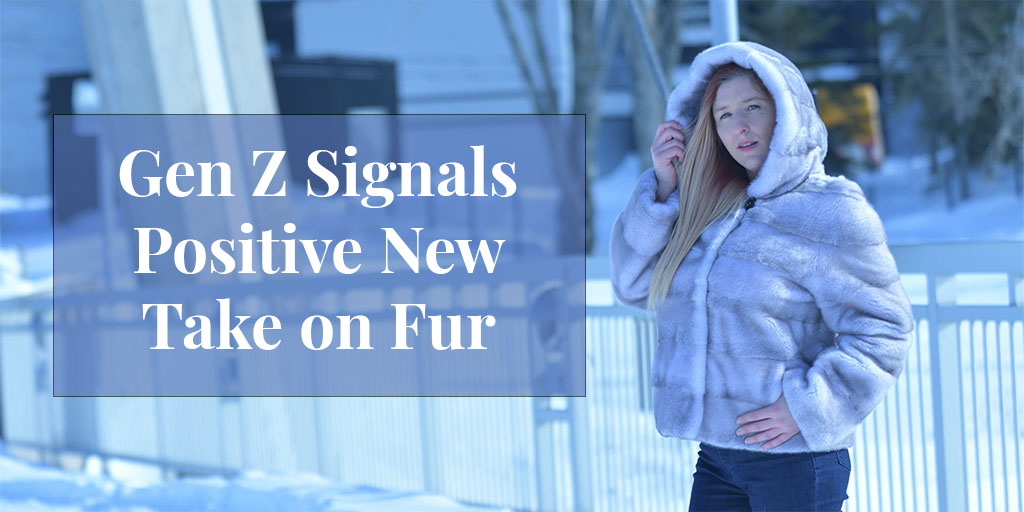
Especially interesting: for the first time in the 25 years that I have reviewed such surveys, younger people (18-25) now see fur in a more positive light than their elders. GenZ’s love affair with fur is not a fluke.
People are becoming more aware of the environmental costs of non-biodegradable, petroleum-based “fast fashion” – not to mention concerns about the leaching of micro plastics into the food chain each time these synthetics are worn or washed. Bits of plastic are now being found in marine life, breast milk, and in our brains. Cruelty-free indeed.
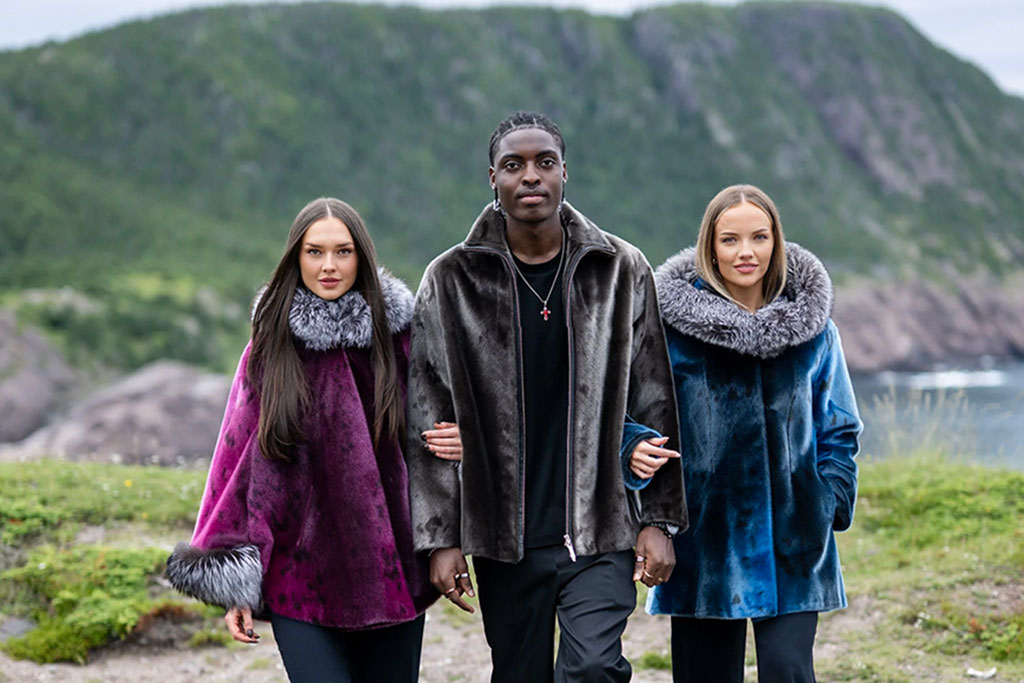
Bottom line: people do need clothing, and if our goal is to embrace more sustainable lifestyles, fur checks all the boxes. Made from a natural, renewable resource, fur apparel is extremely long-wearing, can be re-styled as fashions change, and is often passed from one generation to the next – as highlighted by the current popularity of vintage. From an environmental perspective, fur is not a “frivolous luxury”.
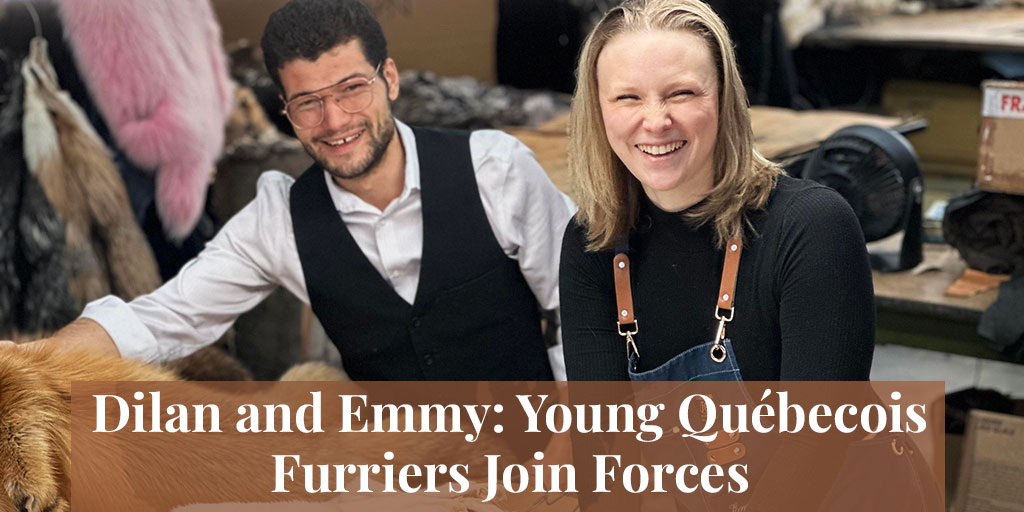
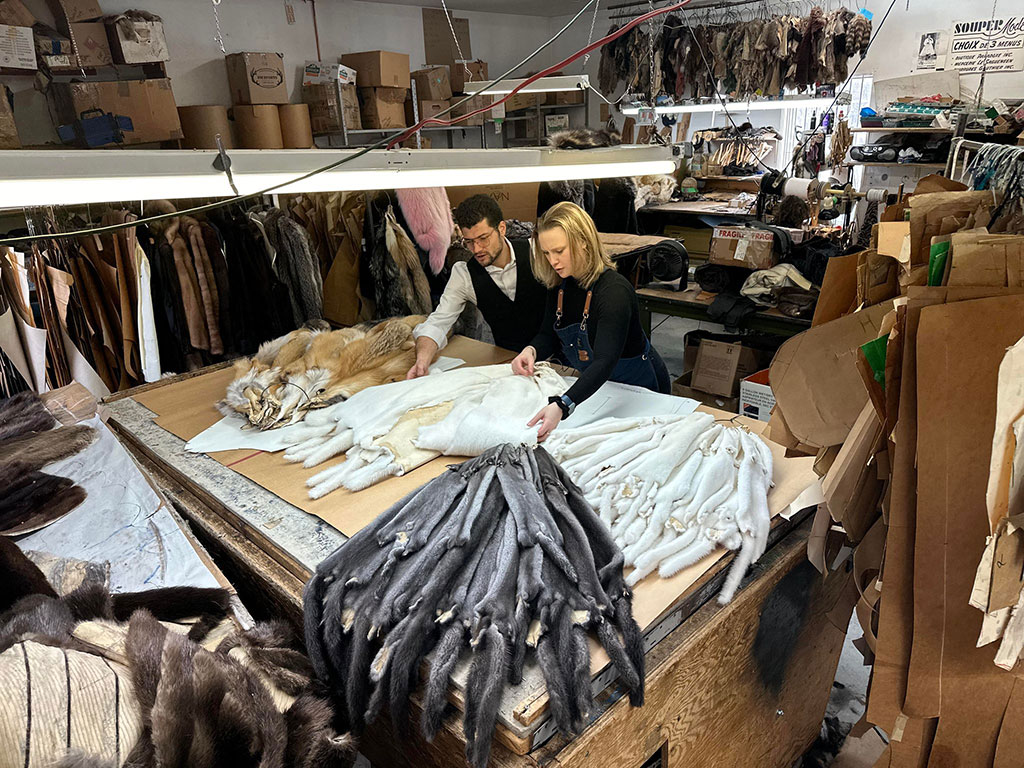
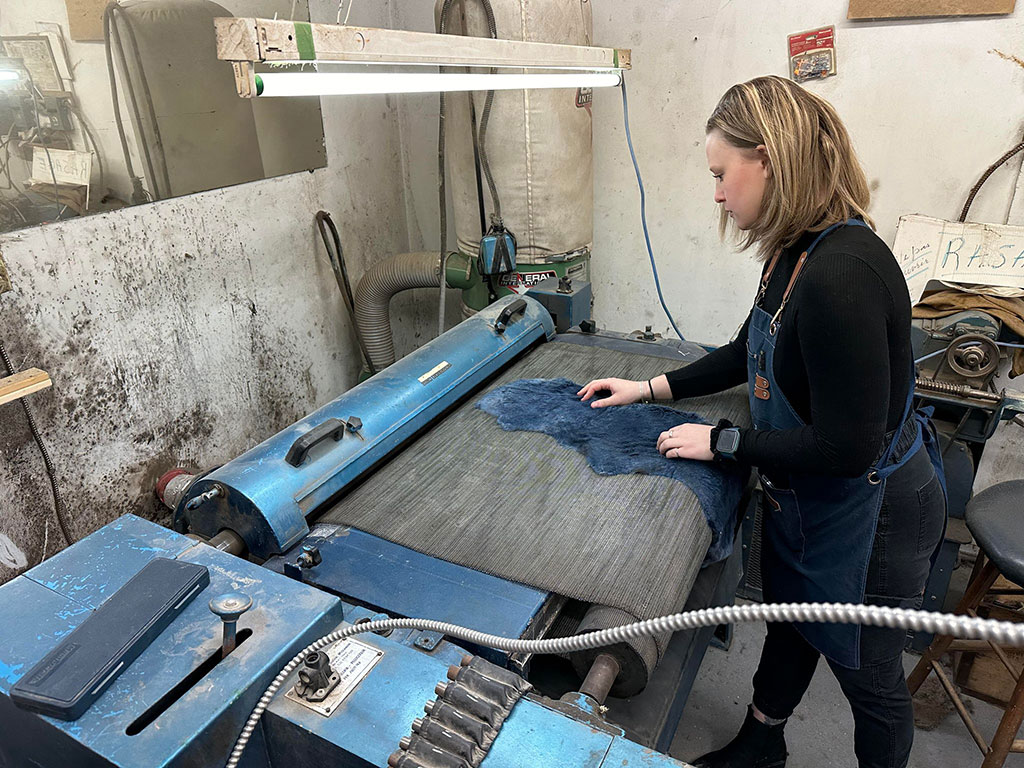
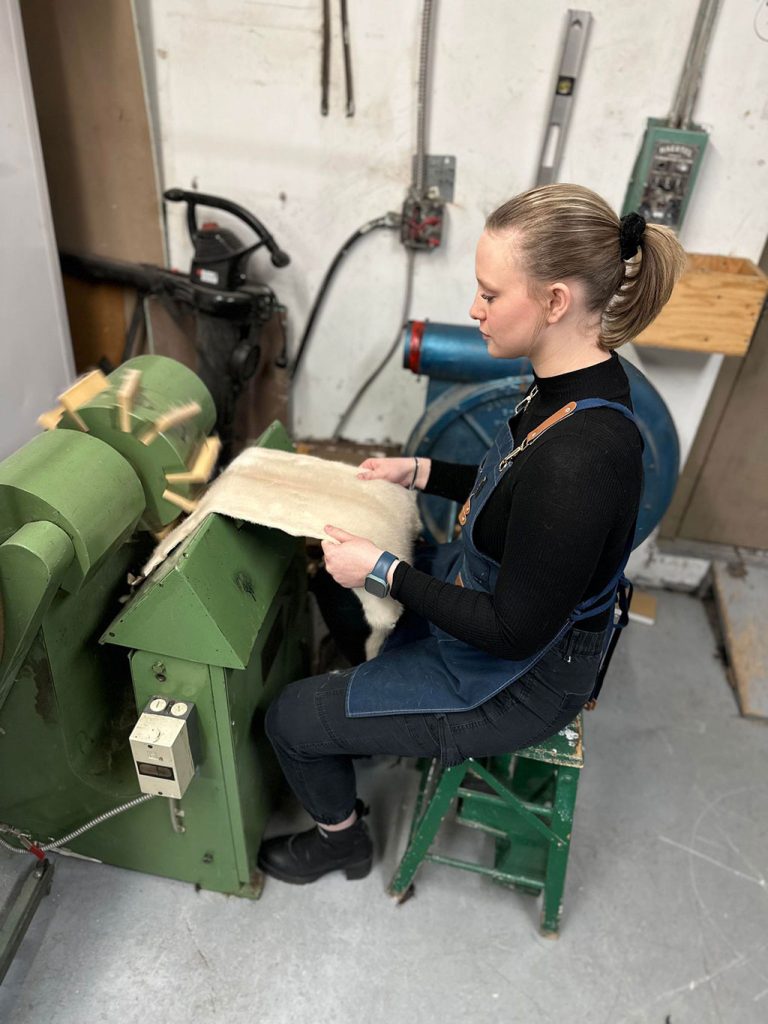
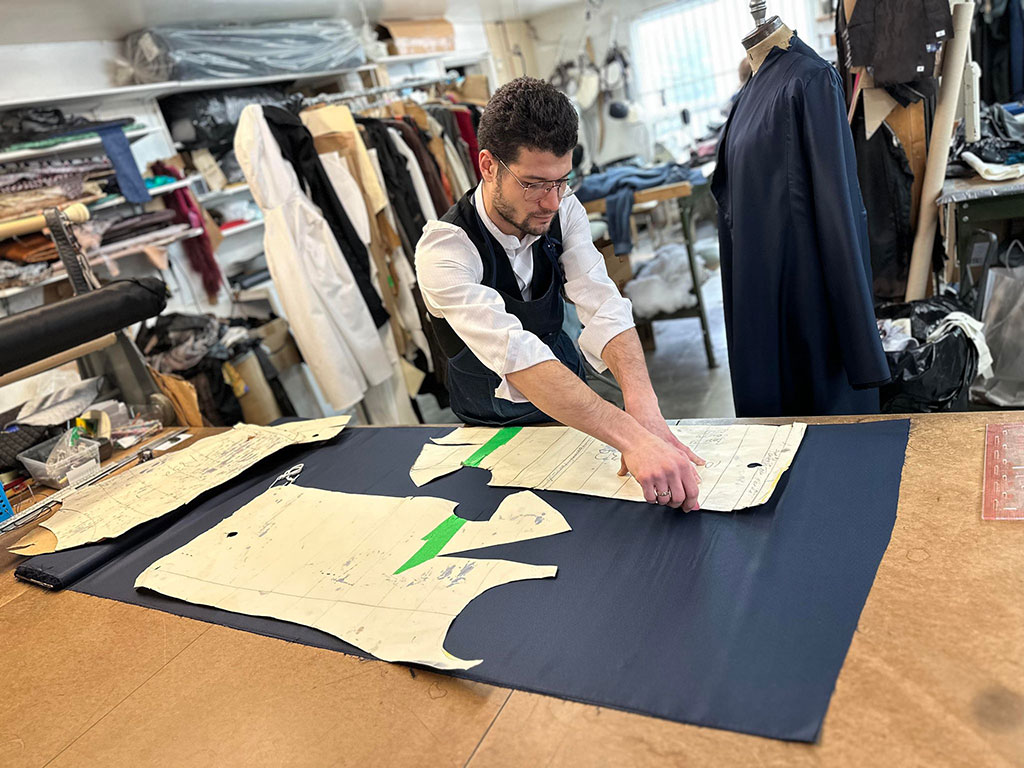
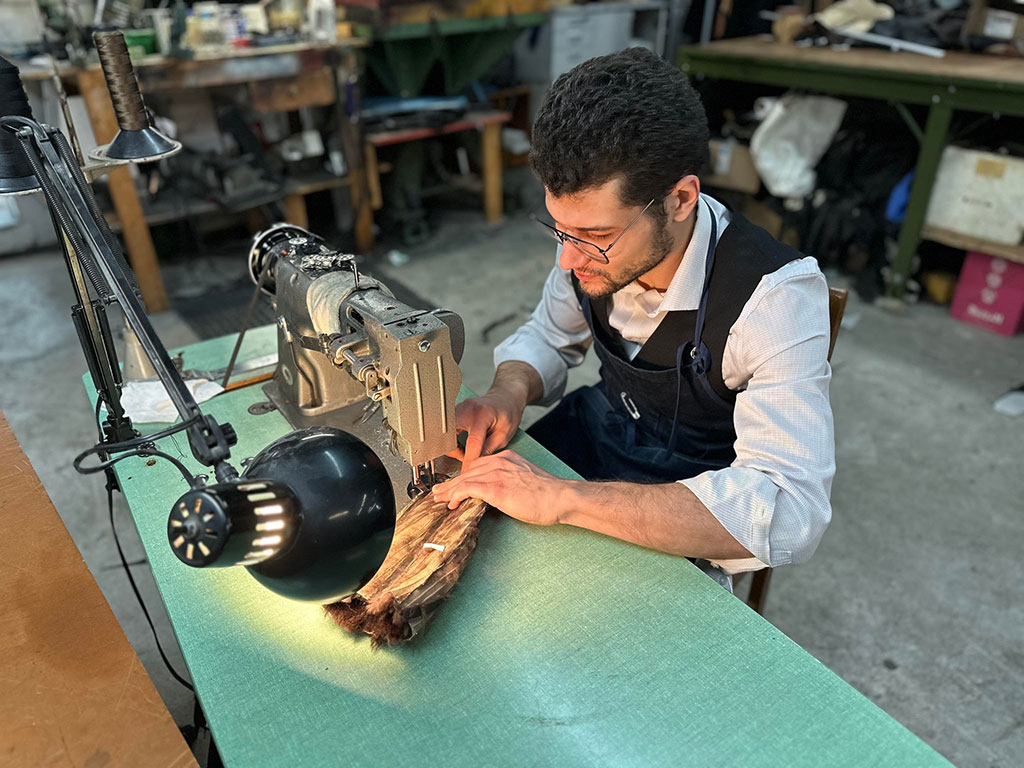
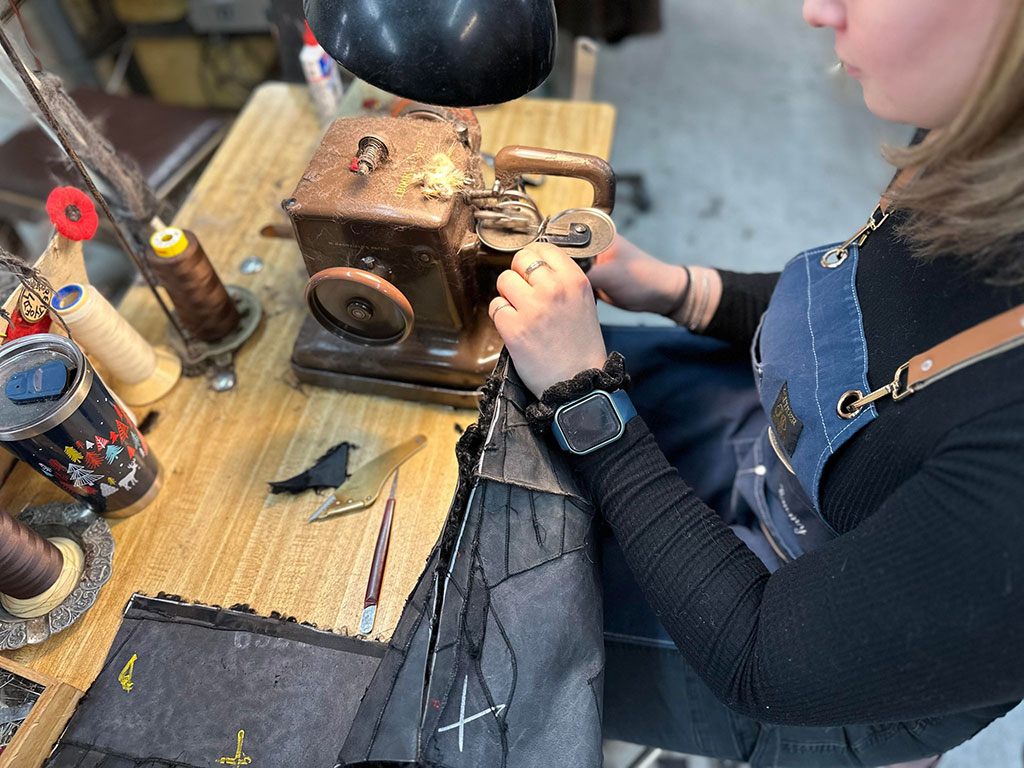
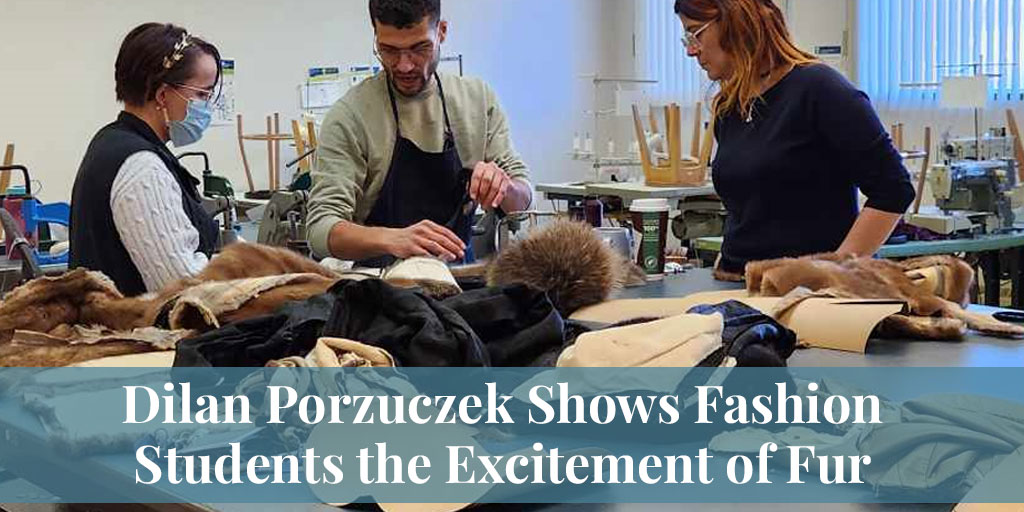
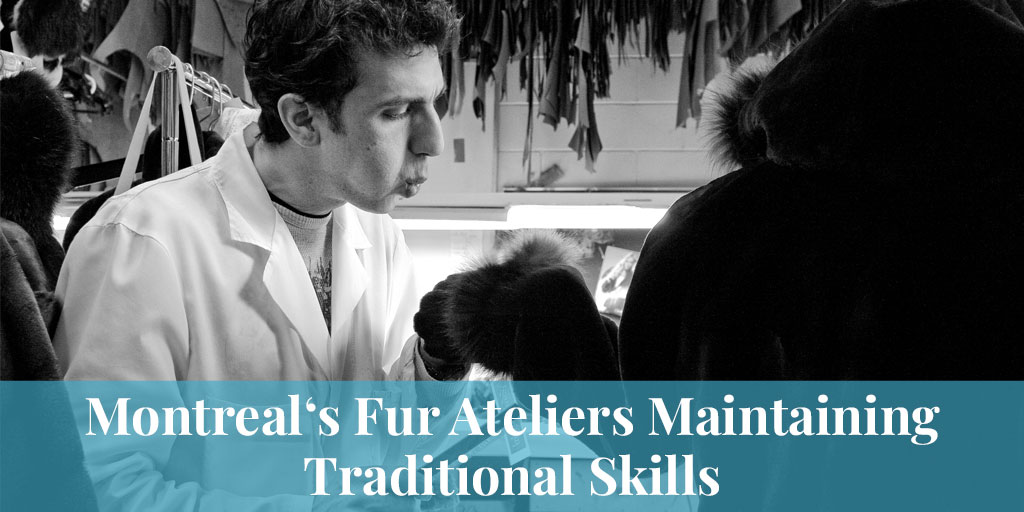
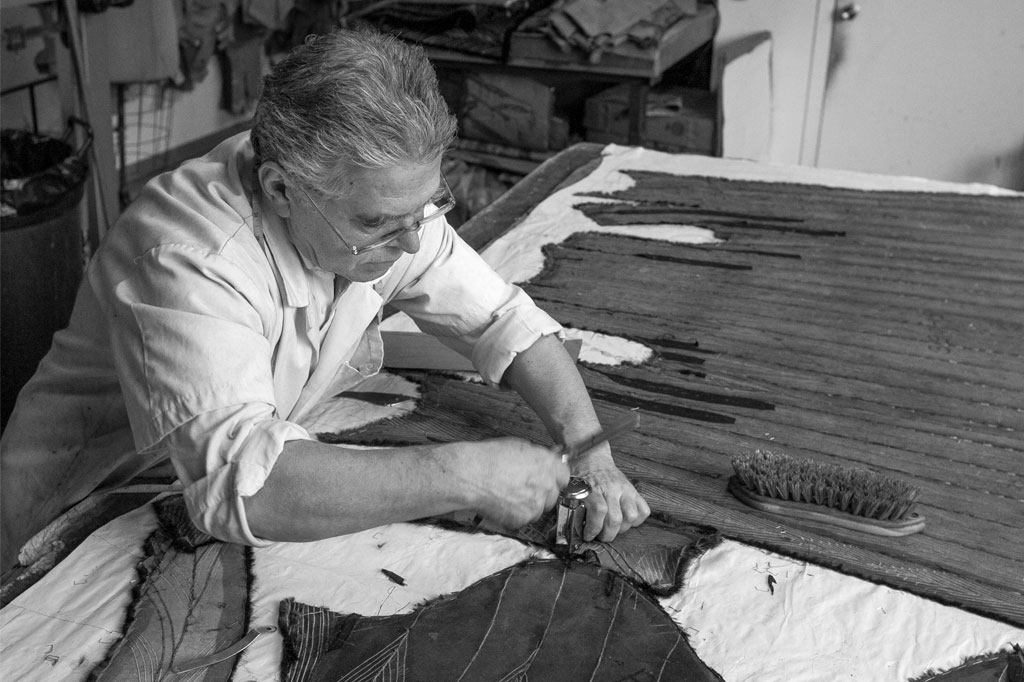
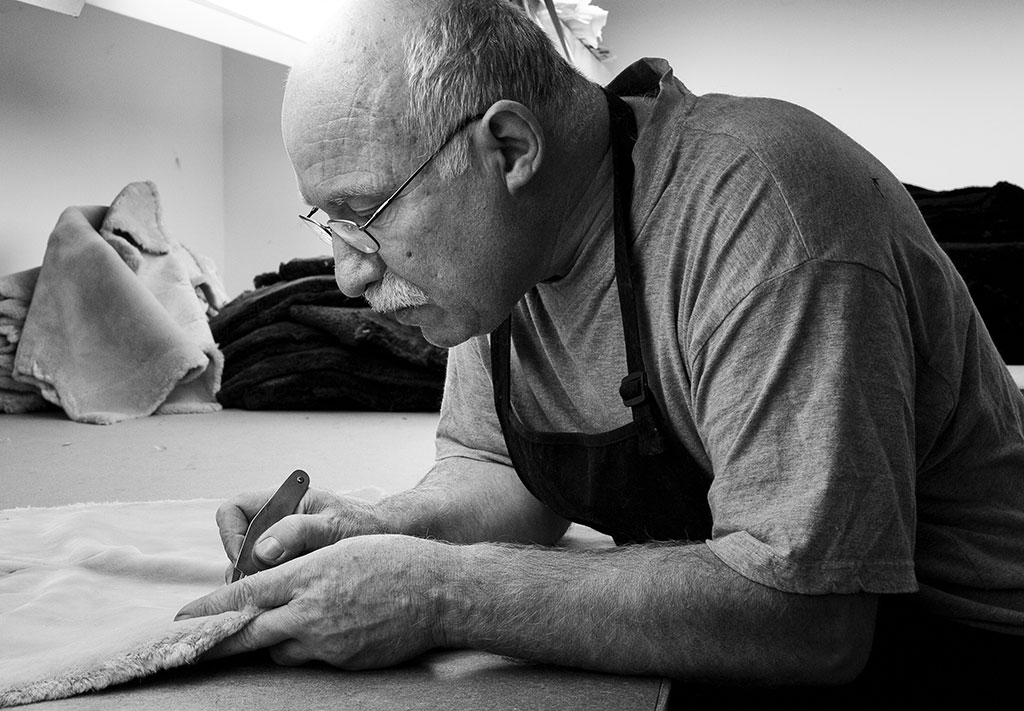
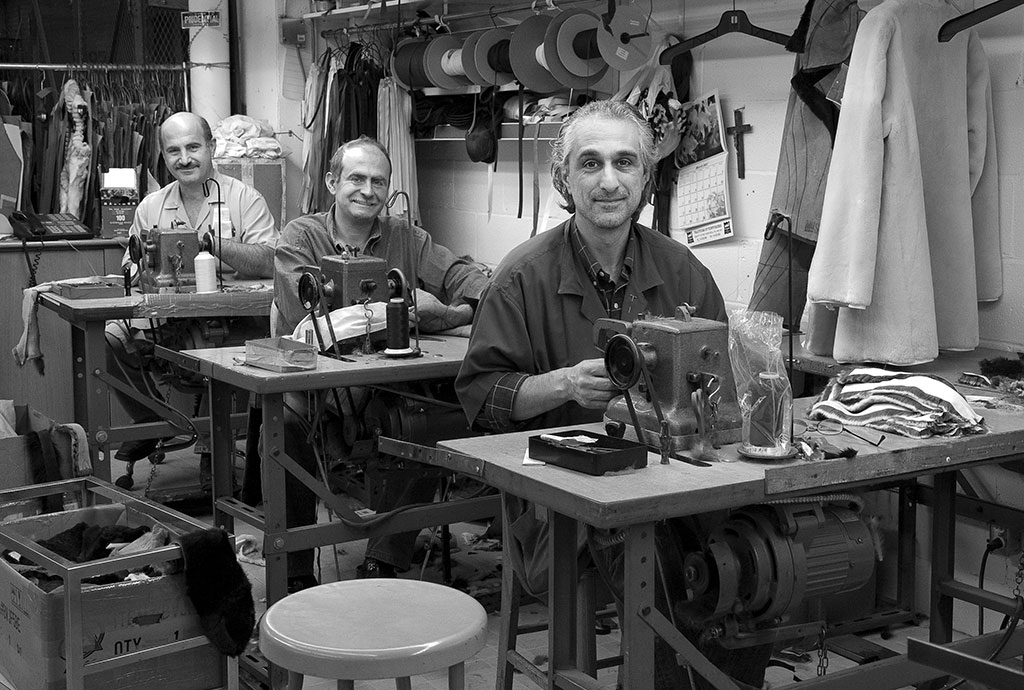
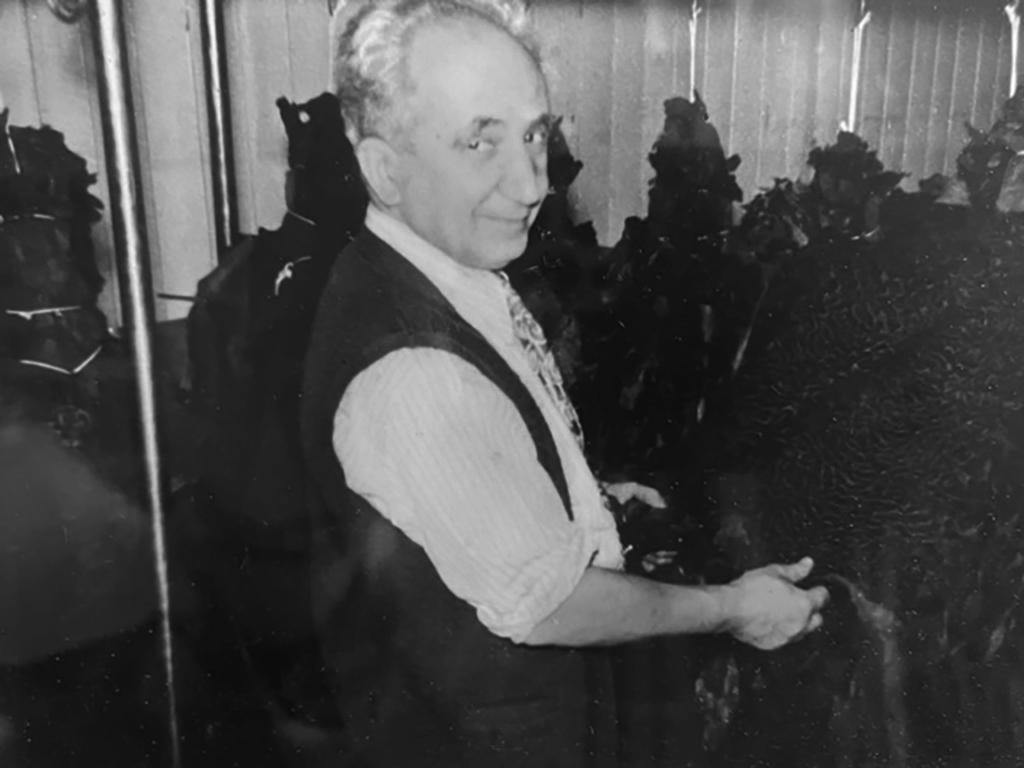
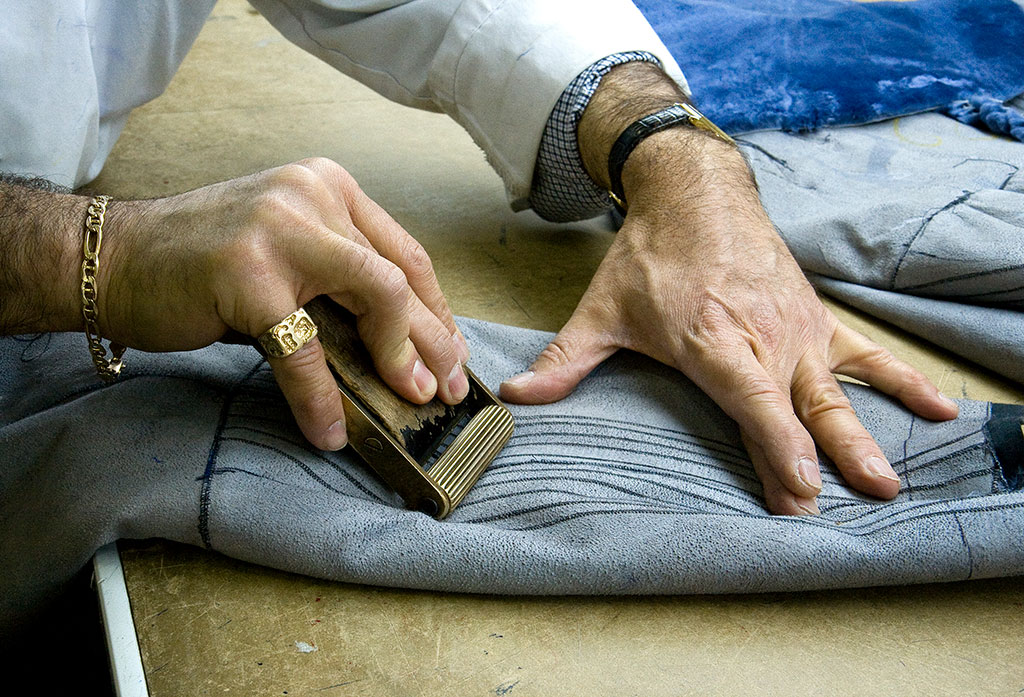
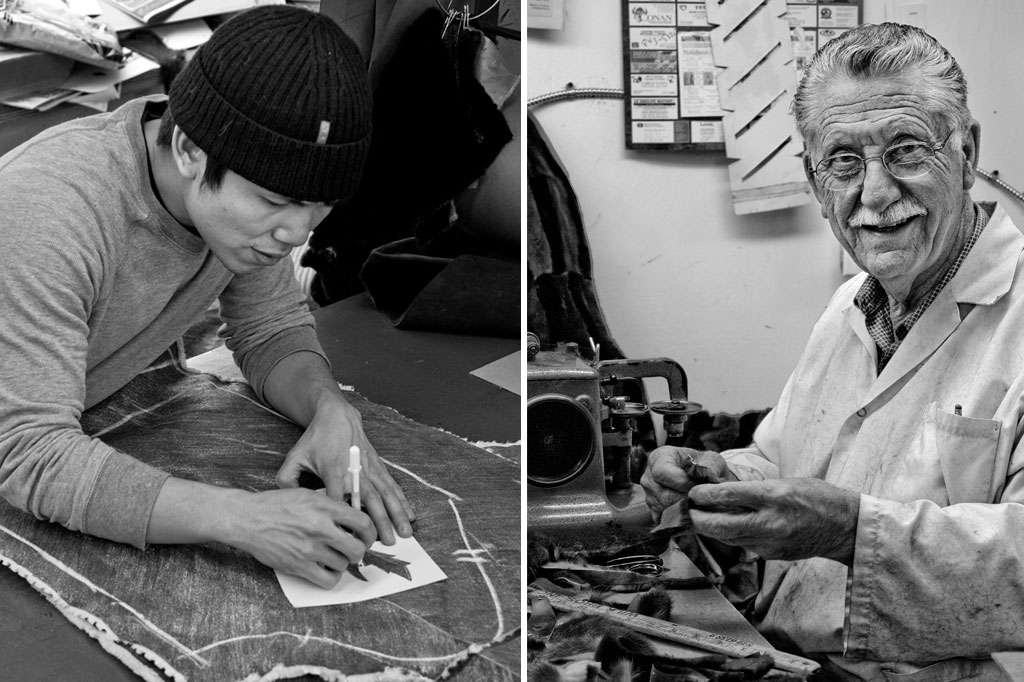
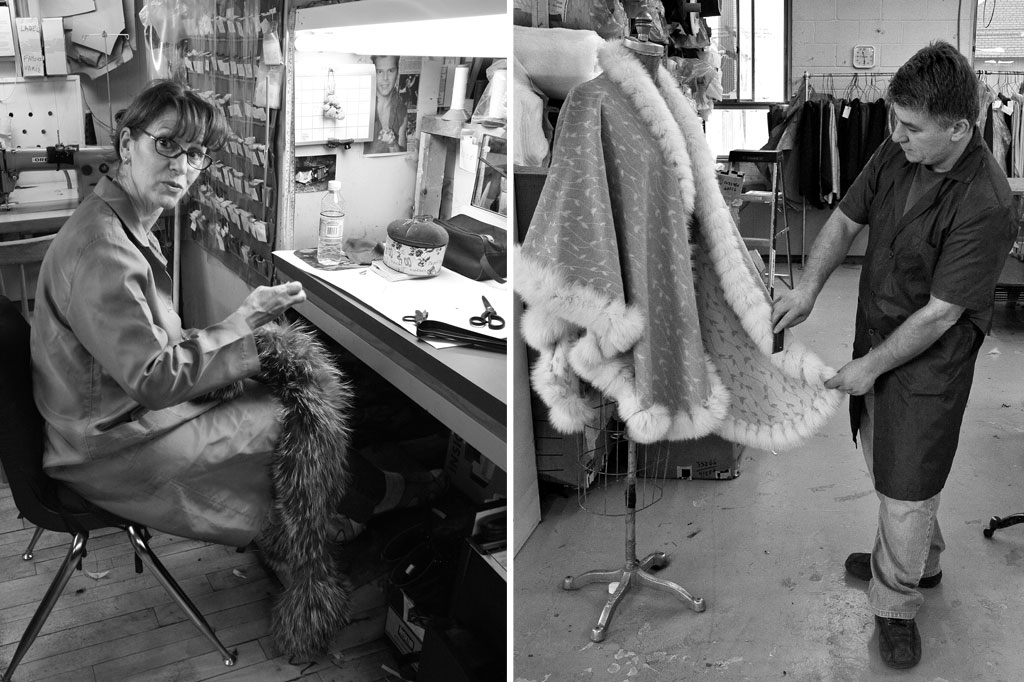
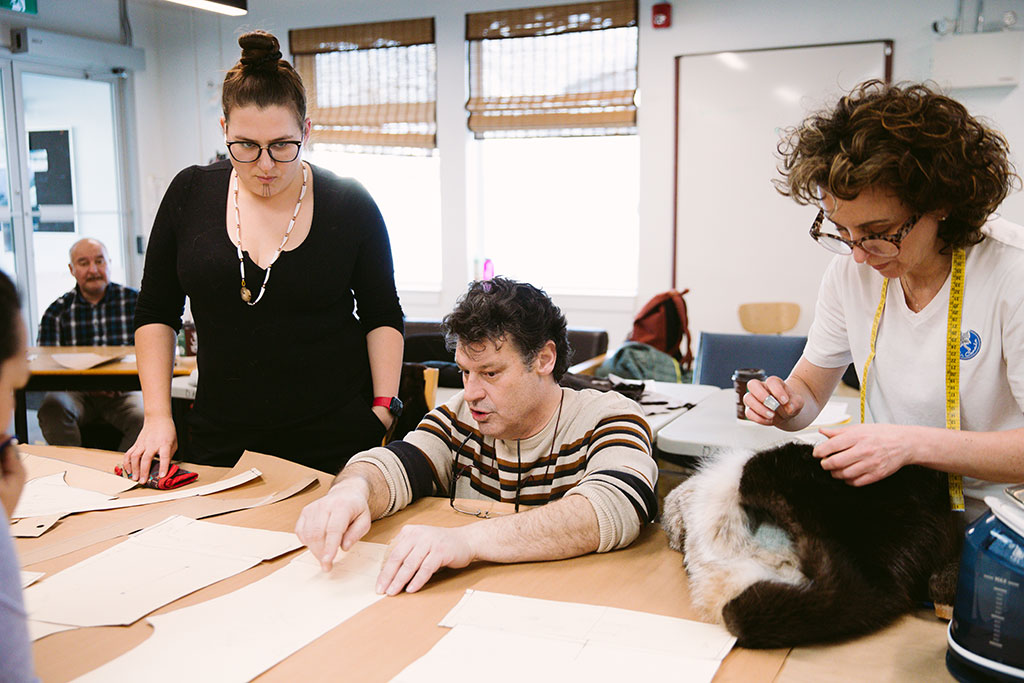
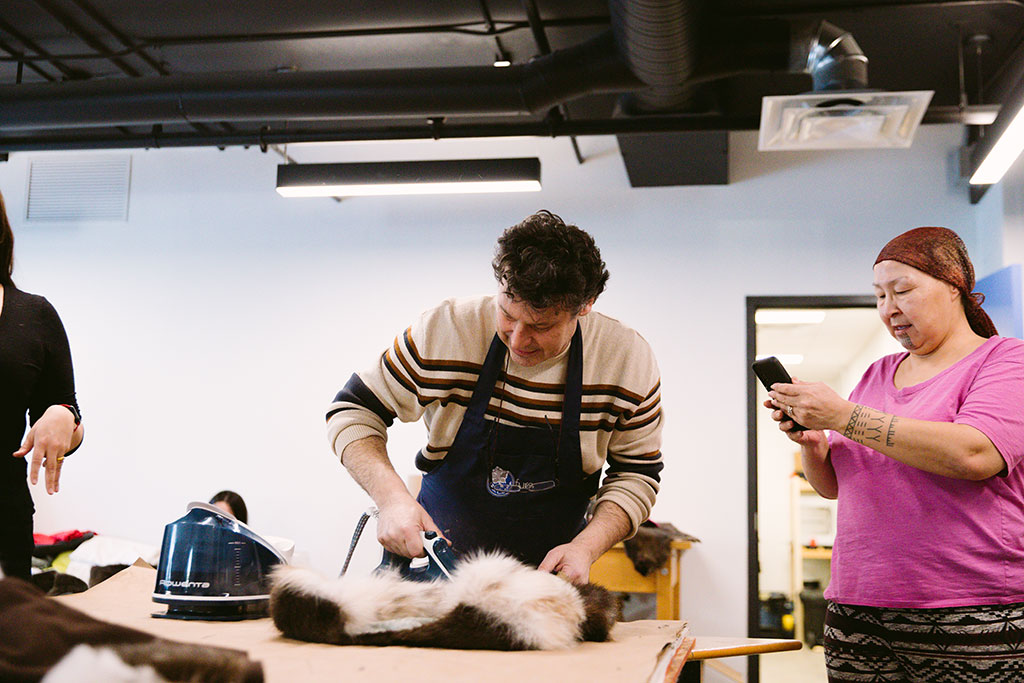
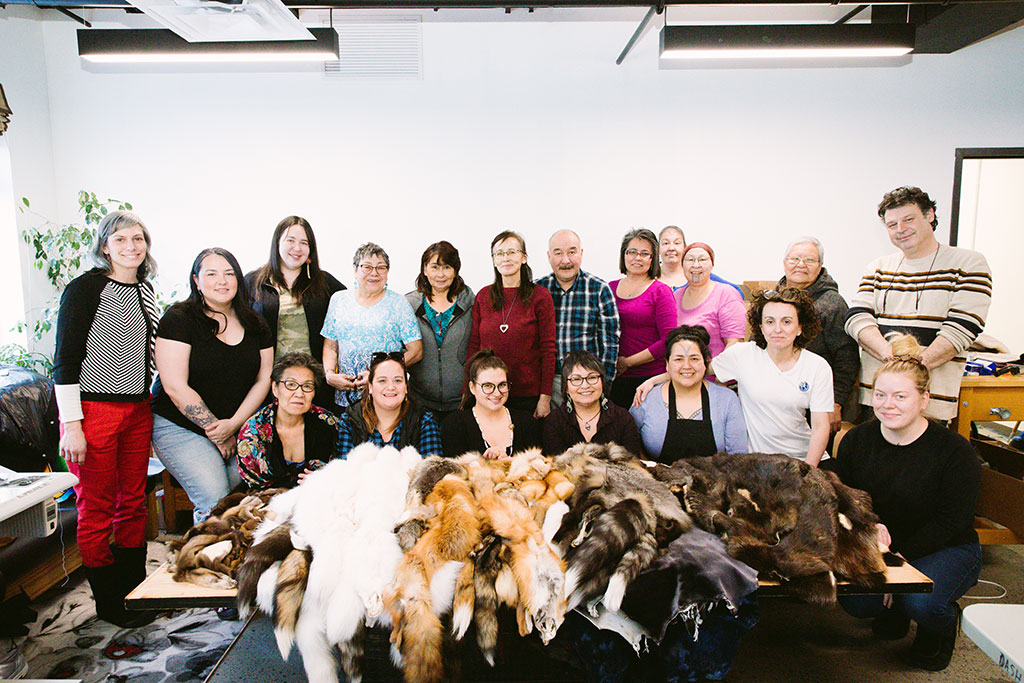
From a cultural perspective, the fur trade preserves a treasure-trove of human knowledge, skills, and culture. Indigenous and other trappers are some of the last representatives of our hunter-gatherer heritage; with most of us now living in cities, they are our eyes and ears on the land, often the first to sound the alarm when pollution or habitat destruction threaten wildlife. Mink are raised on multi-generational family farms, providing income and employment for embattled rural communities. Fur artisans (my own grandfather was one) maintain extraordinary handcraft skills that have been transmitted through generations.
None of this means that everyone will want to wear fur. But the popularity of vintage furs and shearlings bucks the – until recently – seemingly irresistible push to “cancel” the fur trade. As Leonard Cohen sang: “There’s a crack, a crack in everything, that’s how the light gets in!” Time will tell whether GenZ’s new interest in fur will open the door to a more honest appreciation of this remarkable North American heritage industry.
FOOTNOTES
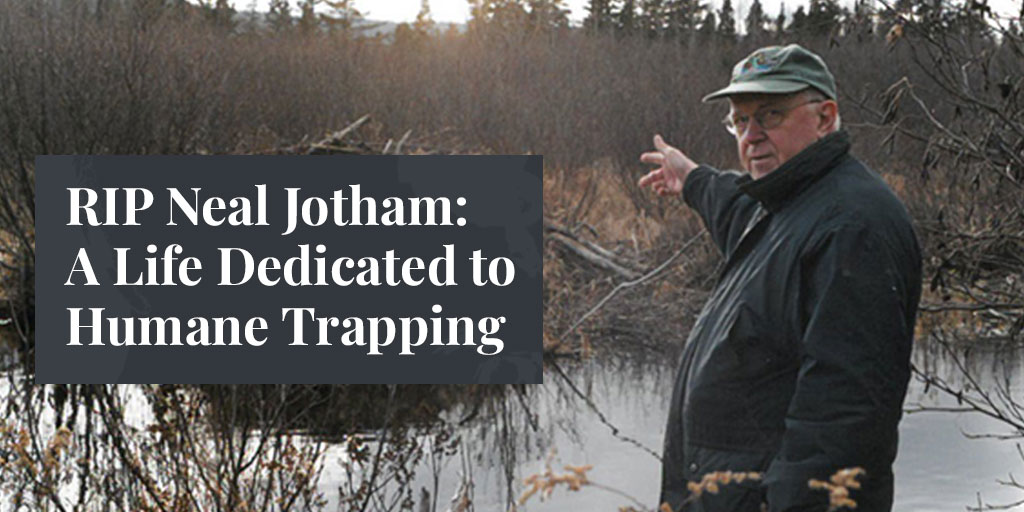
1) The program directed by the Fur Institute of Canada (since 1983) allows new trap designs to be rigorously tested and certified. It has supported new state and provincial regulations, trapper training programs, and, in 1997, the Agreement on International Humane Trapping Standards (AIHTS) – the world’s first international animal-welfare treaty. See also: Neal Jotham: A life dedicated to humane trapping. Truth About Fur, 2016.
2) Mink housing, nutrition, and care standards are set out in codes of practice developed by animal scientists and veterinarians, under the auspices of the National Animal Care Council.
3) Natural Fibers Alliance, personal communication.